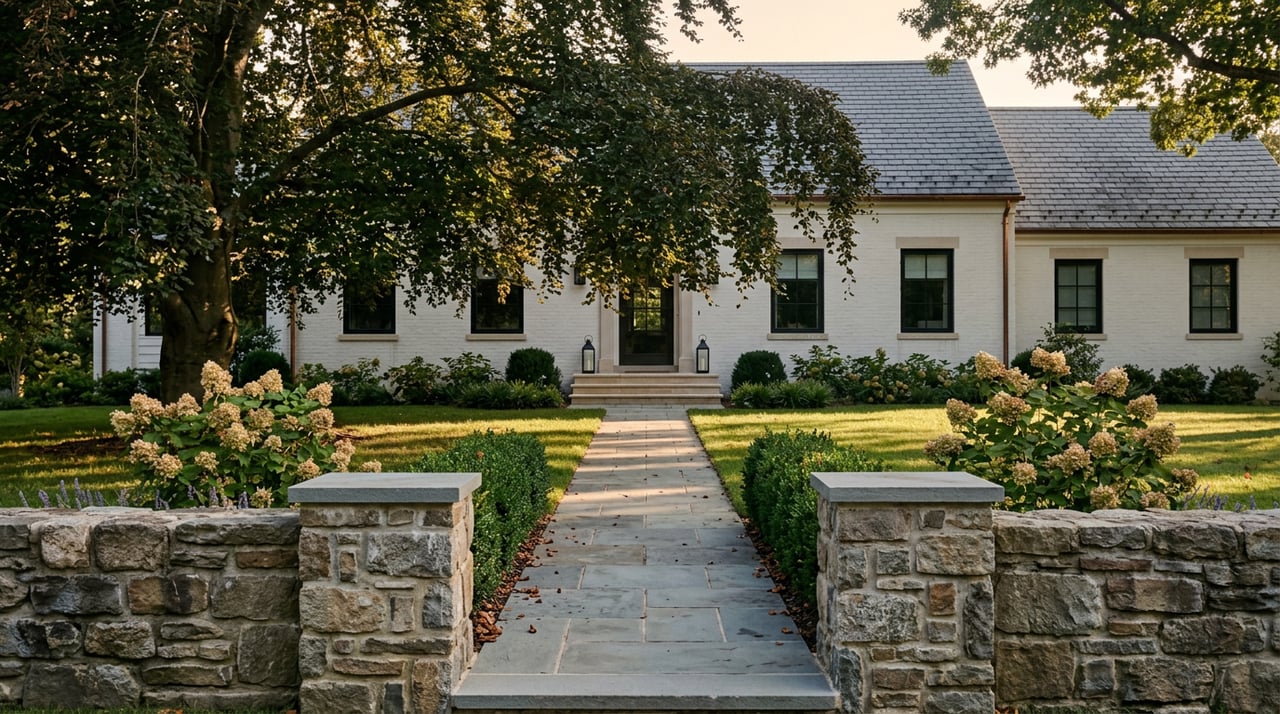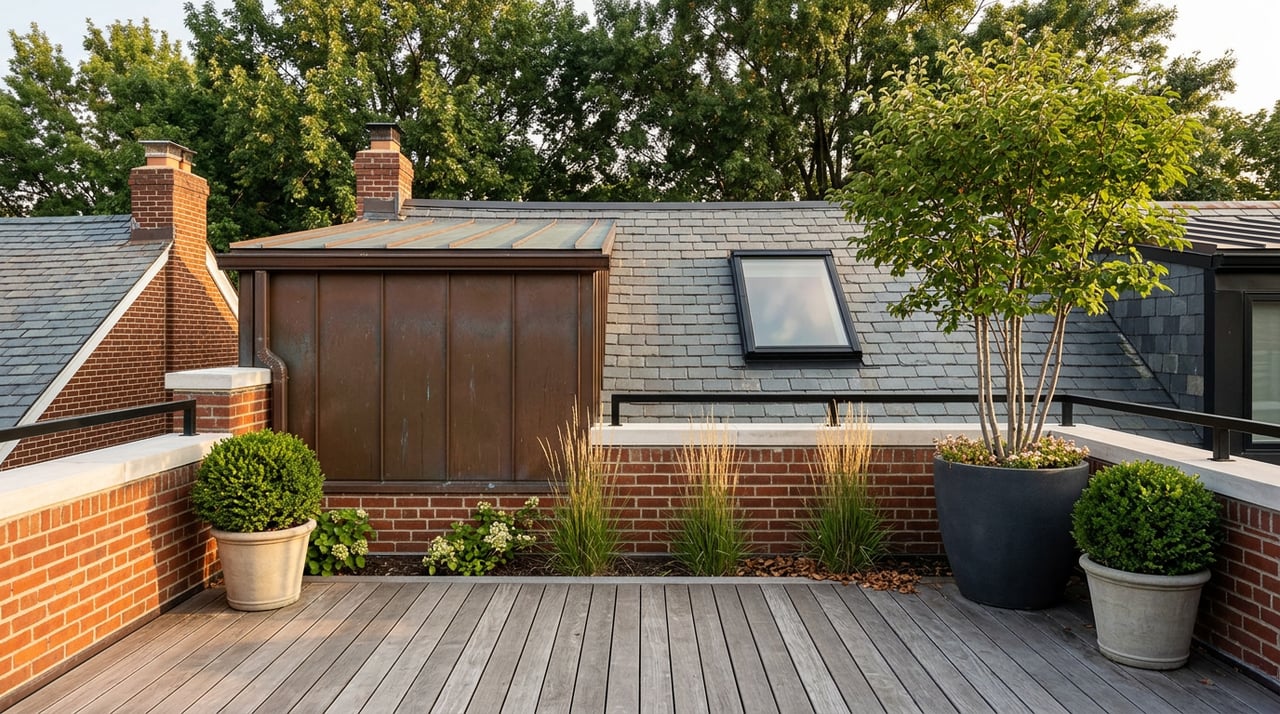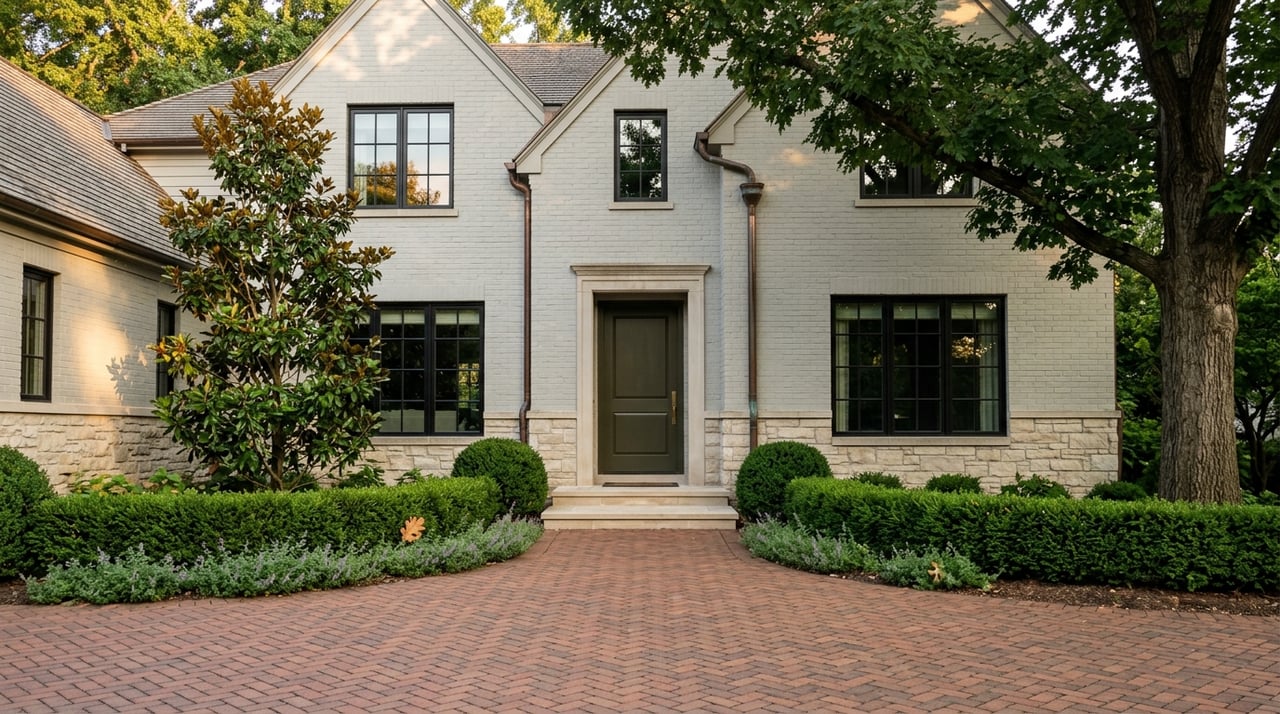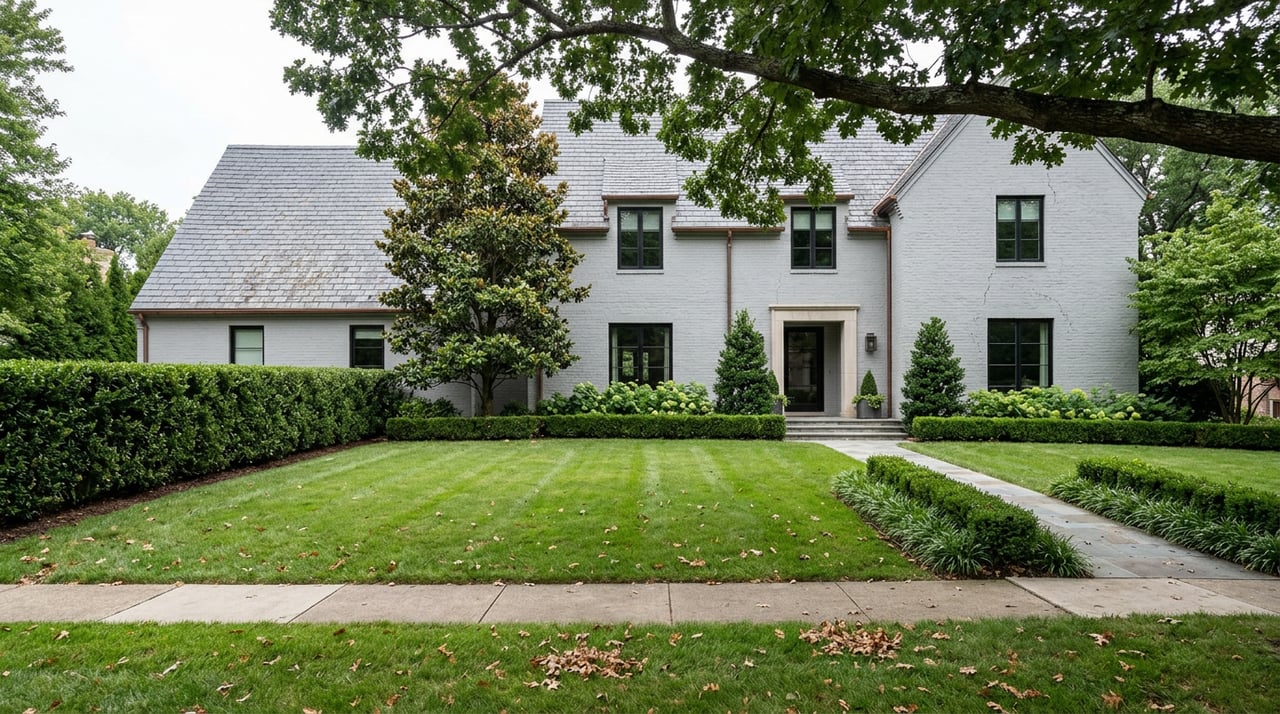
In North Highlands, two units of the same Expanded Housing Option duplex closed within about three months of each other. One sold in December 2025 for $1,615,000. The other sold in March 2026 for $1,610,000. Both are exactly the kind of housing Arlington's Missing Middle policy was built to make attainable. Neither sold anywhere close to attainable.
If you've been comparing North Arlington neighborhoods and keep running into headlines about "missing middle" zoning, this is the detail worth sitting with. The policy debate in Arlington has been framed for three years as a fight over density, character, and process. For anyone actually shopping a lot right now, it's something narrower and more urgent: a legal status that can change the value and buildability of a specific property between the time you write an offer and the time you close.
A Lawsuit That Keeps Changing the Rules Mid-Deal
Arlington's Expanded Housing Option, known locally as Missing Middle, allows by-right construction of townhouses, duplexes, and buildings of up to six units on lots that were previously zoned for single detached homes. The County Board adopted it unanimously in March 2023. It has not had a quiet year since.
| Date | What happened |
|---|---|
| March 2023 | County Board adopts EHO, effective July 1, 2023 |
| September 27, 2024 | Circuit Court Judge David Schell voids the ordinance on four of six counts, citing procedural failures and tree canopy requirements |
| June 24, 2025 | Virginia Court of Appeals reverses that ruling on a technicality: developer Wilsons Ventures should have been included as an indispensable party |
| October 1, 2025 | Arlington resumes accepting and reviewing EHO applications |
| May 19, 2026 | Virginia Supreme Court agrees to review the procedural question |
None of these rulings have touched the actual merits of the ordinance. Every decision so far has turned on process: who was named in the lawsuit, whether the county followed the right advertising steps, whether tree canopy math was done correctly. A spokesperson for Neighbors for Neighborhoods, the group funding the litigation, told ARLnow after the May 19 decision that a trial on the merits was likely within three to six months, a window that runs from roughly this past August through this coming November. If you are comparing lots in Arlington right now, there is a real chance the underlying question gets decided while you are mid-search or already under contract.
What "Voided" Actually Means for a Buyer
The county's own language after the 2024 ruling was blunt. Samia Byrd, Arlington's director of Community Planning, Housing and Development, told developers in a letter that any previously approved EHO permit "is now void, or simply put, no longer exists," a phrase that applied to every project in the pipeline overnight. Then the June 2025 appeals ruling flipped that status back. Neighbors for Neighborhoods, the group funding the lawsuit, noted on its own site that 38 previously voided EHO permits "magically flipped from 'voided' to 'approved'" once the appellate decision took hold.
That whiplash is why a property's legal standing now matters as much as its condition. If you're evaluating a completed EHO duplex or a lot with a live application, the date on the permit tells you which side of the ruling it landed on and how exposed it is to whatever the trial produces. A permit issued after October 1, 2025 has been through the county's resumed review process. A project that broke ground in 2024 and got caught in the void, like the Wilsons Ventures duplex on 25th Street South in Claremont, was described in court filings as nearly complete and ready for final inspection when the moratorium hit. It has already lived through one legal reversal and may live through another.
Arlington's EHO development page publishes status updates as the litigation moves, and the county maintains a permitting dashboard listing active applications. Checking a specific address against that record before writing an offer is no longer optional due diligence in the neighborhoods where this is playing out. It's closer to a title search: a step that tells you what you're actually buying.
The Price the Ordinance Promised vs. the Price It's Delivering
When Arlington's Missing Middle proposal was heading toward its 2023 vote, advocates published specific price projections to make the affordability case. A Greater Greater Washington analysis at the time estimated units in a six-plex would run $520,000 to $670,000, and units in a side by side duplex would land between $1.1 million and $1.4 million.
The two North Highlands units closed at $1,615,000 and $1,610,000. Both land more than $200,000 above the top of that projected range, not the bottom, the top. This is not a case of one weak comp dragging down an average. It's the first real closed sales for this product type in this kind of neighborhood, and both cleared well past what the policy's own advocates said the format would cost.
That gap isn't a marketing failure so much as a pricing mechanism working exactly as land economics predicts. A lot zoned for two units is worth more to a builder than the same lot zoned for one, and that added land value flows straight into what each finished unit costs. The zoning change didn't lower the price of Arlington land. It gave that land a new way to be monetized, and the market priced the change accordingly rather than the affordability target policymakers had in mind.
What This Looks Like If You're Shopping Right Now
For a buyer comparing Bluemont, Westover, Lyon Park, Aurora Hills, or Halls Hill against other close-in Arlington neighborhoods, the practical questions are narrower than the policy debate suggests:
- Ask whether the specific address, or an adjacent parcel, appears on the county's EHO permitting dashboard, and if so, when the permit was issued relative to the September 2024 and June 2025 rulings
- If you're purchasing a completed EHO unit, ask your agent to confirm the permit's current legal status rather than assuming reinstatement is permanent
- If you're purchasing a single-family home on a lot large enough to attract redevelopment interest, understand that its resale value already reflects some expectation about how this case resolves
- Budget time for the possibility that a merits trial lands while you're under contract, since neither side expects this to be the final ruling regardless of outcome
Jason Schwartz of YIMBYs of Northern Virginia summarized the practical effect of the ongoing uncertainty in an interview with WMRA: the pace of the litigation itself is what's undermining the policy, regardless of which side eventually wins. That uncertainty is priced into the market today, whether or not any given buyer has read the court filings.
The Debate Isn't Over, but the Pricing Already Is
Whatever the Virginia Supreme Court decides about indispensable parties, and whatever a future trial court decides about the ordinance's merits, the North Highlands closings already answered the question most buyers are actually asking. New missing middle product in established Arlington neighborhoods is not selling at attainable prices. It's selling at prices that track the land underneath it, which in North Arlington has been expensive for years and shows no sign of resetting because of a zoning change working its way through the courts.
That's useful context whether you're drawn to a completed duplex, a single-family home on a lot large enough to interest a builder, or a quieter street where none of this is likely to reach for years. The legal fight will keep generating headlines. The pricing story is already written into recent closings, and it rewards buyers who ask about permit status the same way they'd ask about a roof or a survey.
A Few Questions Worth Asking Before You Write an Offer
Does this affect neighborhoods outside North Arlington? The ordinance applies countywide, but the litigation and the redevelopment pressure it has generated are concentrated in the historically single-family neighborhoods north of Route 50, where lot sizes and land values make teardown-and-rebuild economics attractive to builders.
Should I wait for the Supreme Court to rule before buying? Given that even a ruling on the procedural question sends the case back for a trial on the merits, waiting could mean waiting through multiple additional court dates. Most buyers are better served treating the permit status of a specific property as a known, checkable fact rather than waiting on a resolution timeline that has already shifted twice.
What happens to a built EHO unit if the ordinance is eventually struck down for good? That scenario hasn't been tested yet, since every ruling to date has turned on procedure rather than the underlying validity of completed construction. It's a real enough possibility that it belongs in any conversation about a specific property's risk profile.
If you're weighing a purchase in Arlington against options in Chevy Chase, McLean, or Georgetown, and you want someone who tracks these permit status changes as closely as the comparable sales, Lindsay Guión and the team can walk through what a specific lot's legal history means for your offer. Schedule a consultation before you write one.