Thinking about buying a historic home in Georgetown, DC? You are not just choosing an address. You are stepping into one of Washington’s most established preservation areas, where architecture, process, and long-term upkeep all matter. If you want the charm of a classic Georgetown property without surprises later, it helps to understand what you are really buying and how the rules work before you make an offer. Let’s dive in.
Why Georgetown homes feel different
Georgetown is one of the most important historic areas in Washington. The Georgetown Historic District was created in 1950, making it the first historic district in DC and the sixth in the United States. It was later listed on the National Register and designated a National Historic Landmark in 1967.
That history shapes the housing stock you see today. Georgetown’s period of significance spans from 1765 to 1950, which is why buyers may encounter everything from early Federal-era houses to later 19th- and early 20th-century buildings. In practical terms, that means two homes on the same block can have very different materials, layouts, and maintenance needs.
What counts as a historic home in Georgetown
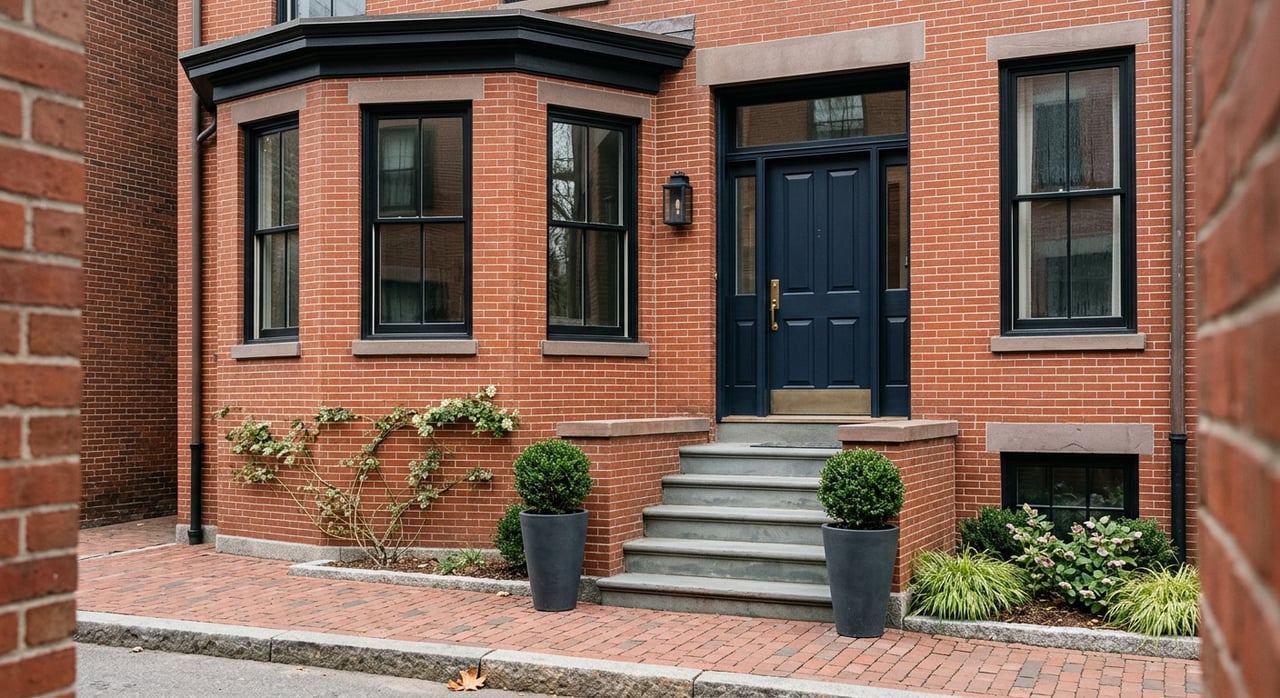
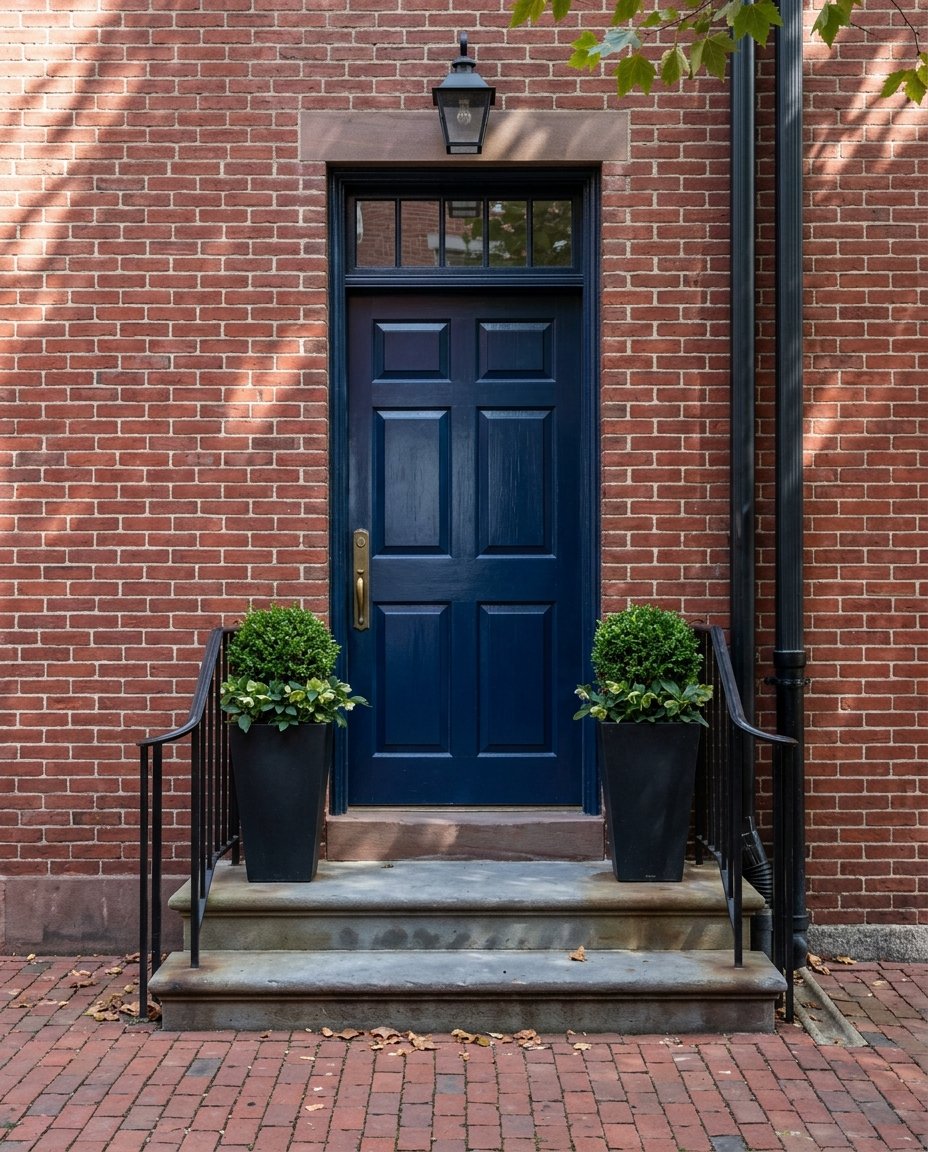
Many buyers picture a classic brick row house when they think of Georgetown. Those homes are certainly part of the neighborhood’s identity, often with coordinated widths, heights, setbacks, and three-bay facades. You will also find a wide range of styles, including Georgian, Federal, Classical Revival, Italianate, Queen Anne, and Romanesque Revival.
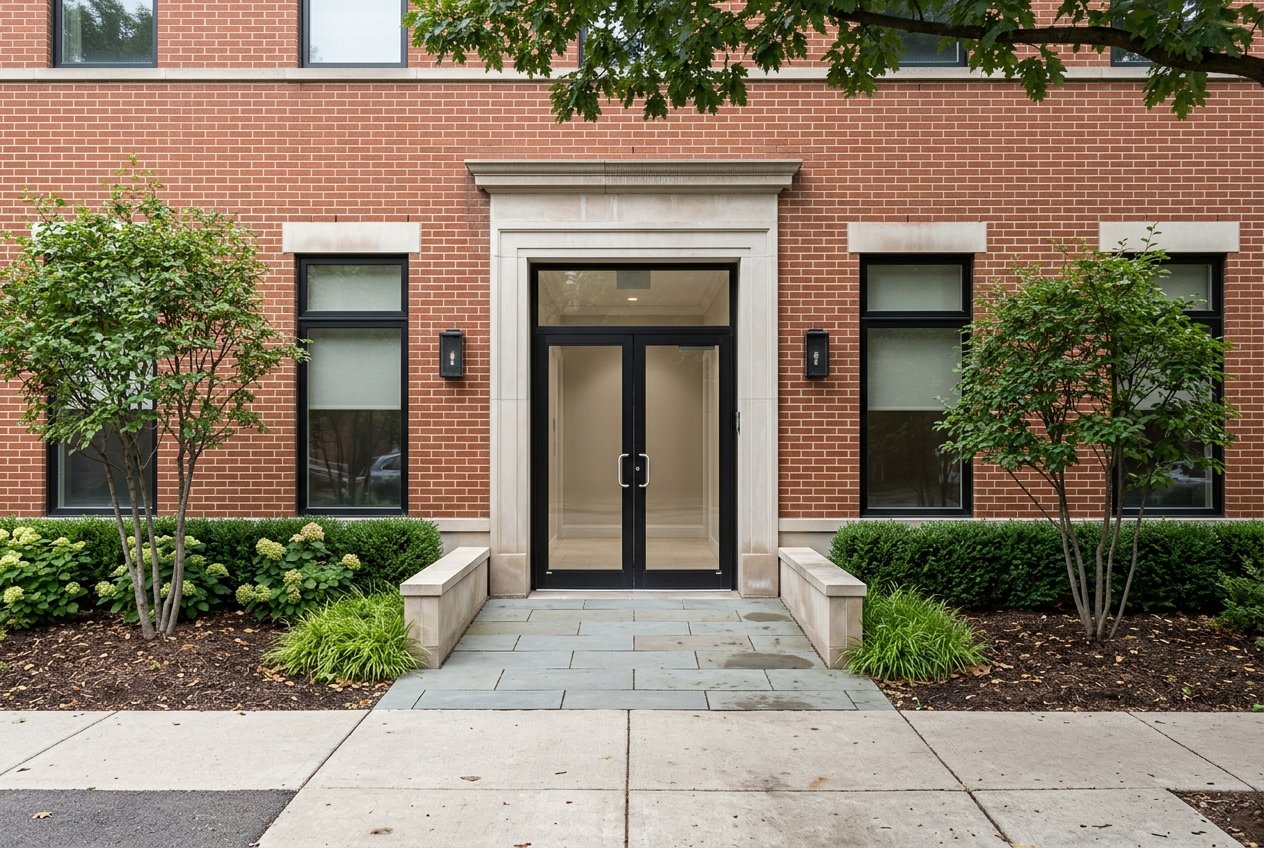
Just as important, Georgetown’s historic housing stock is broader than many people expect. The district includes apartment buildings, tenant houses, alley dwellings, stables, carriage houses, and other domestic outbuildings. So if you are buying a condo, it may be located in an adapted historic building rather than a modern structure built from the ground up.
Character matters more than age alone
When you buy in Georgetown, preservation is usually tied to the home’s visible exterior character. That often includes brick or masonry facades, wood trim, windows, doors, porches, steps, roofs, dormers, and other details that shape how the property looks from the street or alley.
This is an important shift in mindset for buyers. A home is not simply “historic” because it is old. In Georgetown, the review process focuses heavily on exterior architectural features, height, appearance, color, and the texture of exterior materials.
What you are really buying
A Georgetown home often offers a rare mix of location, architecture, and long-term value. It can also come with responsibilities that differ from a newer property in another part of the city. If you are drawn to original windows, old brick, detailed doors, and period rooflines, you should assume those features are part of the home’s value and part of its care plan.
That is why due diligence matters so much here. Before you buy, it is wise to look beyond finishes and staging and ask practical questions about the building envelope, past repairs, and any planned work. Historic ownership usually rewards buyers who plan ahead.
Georgetown review process explained
One of the biggest surprises for buyers is that Georgetown has a distinct review system. Work visible from a public street or alley is reviewed by the Commission of Fine Arts and the Old Georgetown Board. Exterior work that is not visible from public space is reviewed by the Historic Preservation Office and the Historic Preservation Review Board.
The process also tends to move more deliberately than many buyers expect. The Old Georgetown Board is advisory only, but it meets monthly and makes recommendations to the Commission of Fine Arts. So if you are hoping to make visible exterior changes quickly after closing, it is smart to build extra time into your plans.
You do not file a separate preservation permit
In Georgetown, preservation review is built into the normal building-permit process. If your work requires a building permit and affects the exterior appearance of a historic property, preservation review is typically part of that path.
That can apply to more than large additions. Common permit-related work can include demolition, additions, exterior alterations, repairs, fences, decks, site work, window replacement, signs, and awnings. If your project extends into public space, you may also need permits through DDOT.
Work that gets closer review
Some projects are more likely to receive full board review. These usually include demolition, new construction, major additions, roof decks visible from a street, front alterations, and major changes to window or door openings.
For buyers, this means future plans should be evaluated early. If you know you want to add a roof deck, expand the rear, or redesign the front elevation, that possibility should be part of your home search strategy and not an afterthought after closing.
Work that may be simpler
Not every project is equally complex. DC guidance notes that some non-visible work can often be cleared at the staff level, including non-visible roof replacement, minor rear alterations, underground work, masonry repointing, and small compatible fence repairs.
That does not mean approval is automatic. It does mean that less visible work is often more straightforward than projects that change the way a home reads from the street or alley.
Can you renovate the interior?
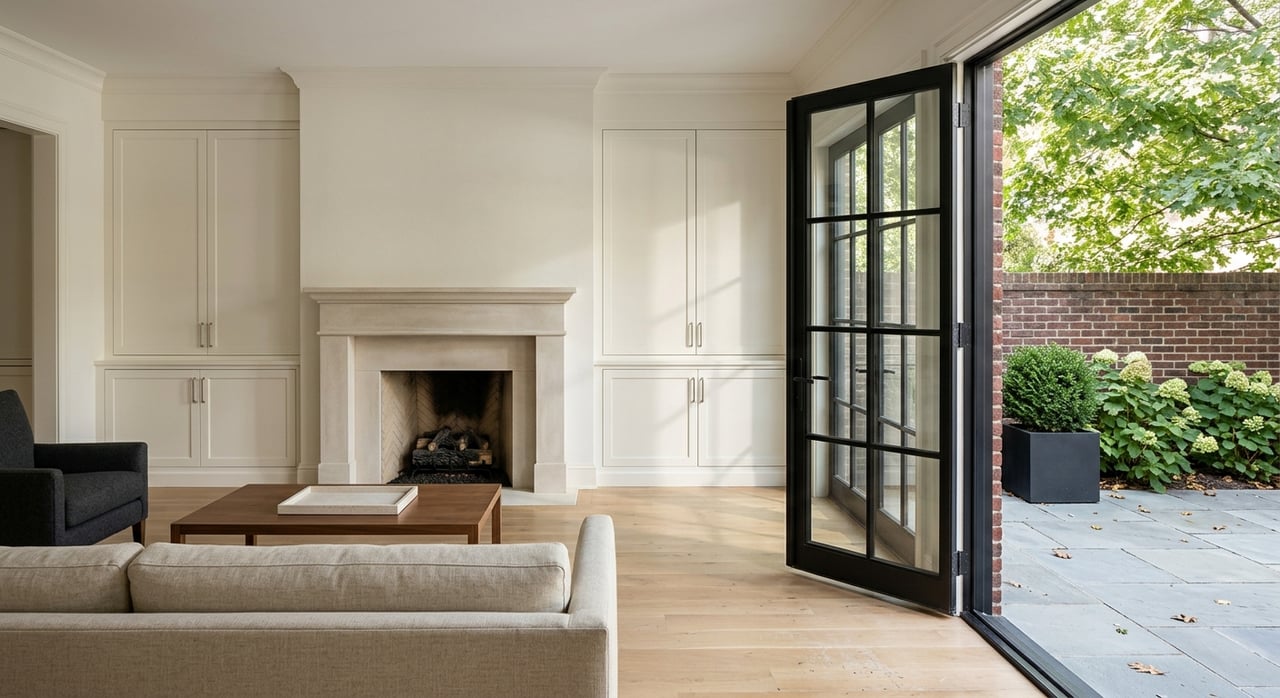
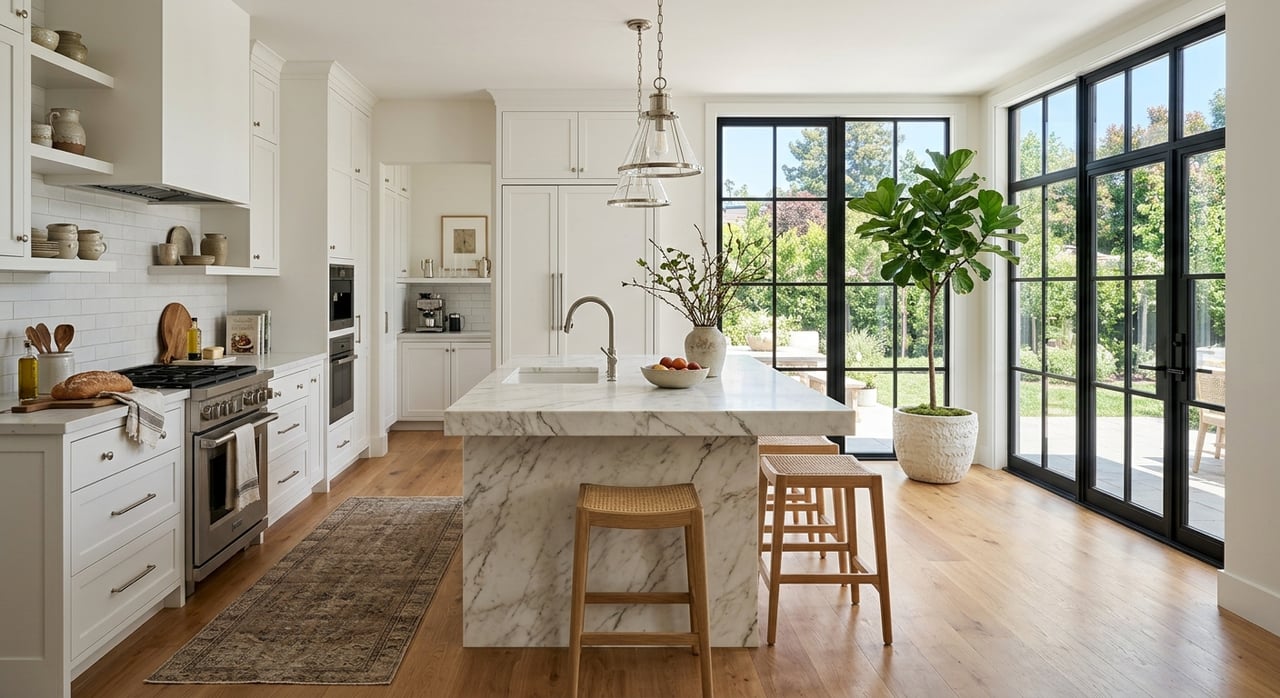
In many cases, yes. Interior alterations and non-structural interior demolition generally do not require historic preservation review unless the interior itself has been specifically designated.
That is good news for buyers who want to update kitchens, baths, systems, or room flow. Even so, you should still confirm whether other permits are needed and whether structural work affects the scope, timeline, or budget.
Budgeting for a Georgetown historic home
One of the smartest ways to approach a Georgetown purchase is to think maintenance first. Local preservation guidance emphasizes maintaining existing materials and systems whenever possible, repairing in kind when feasible, and using compatible substitute materials when necessary.
In plain terms, historic ownership is often less about one dramatic renovation and more about steady, thoughtful upkeep. You may need recurring budget room for masonry work, window and door repair, roof and flashing maintenance, porches and steps, waterproofing, and contractors who understand older buildings.
Windows deserve special attention
Windows are often one of the most important line items in an older Georgetown home. Historic guidance generally favors repair over replacement when possible. If replacement becomes necessary, the new windows should match the original in design, color, texture, and where possible, materials.
This matters for both aesthetics and cost. Historic windows can often be repaired or upgraded, and storm windows may improve energy performance. Replacement is not always the fastest payoff buyers expect, so it is worth evaluating condition carefully before assuming full replacement is the best answer.
Lead paint and buyer due diligence
If you are buying an older Georgetown home, lead paint should be on your checklist. The EPA states that older homes are more likely to contain lead-based paint, and homes built before 1940 are especially likely to have some presence of lead paint.
For most pre-1978 housing, buyers have rights to lead disclosure information before signing. That includes known records and reports, the EPA pamphlet, and a 10-day inspection period. If future work will disturb painted surfaces, lead-safe practices and certified professionals are important.
Financial planning before you buy
Historic homes often come with unique financial questions, especially around tax credits and grants. One common point of confusion is the federal 20% historic rehabilitation tax credit. That credit applies to income-producing property, not owner-occupied residences.
There may still be help for some buyers. DC’s Historic Homeowner Grant Program can assist qualifying owner-occupants with exterior and structural work on eligible houses in historic districts. The program is income-restricted, requires the home to be a primary residence, and may award up to $50,000.
Smart questions to ask before making an offer
A Georgetown purchase usually goes more smoothly when you ask focused questions early. Along with your standard home-buying due diligence, consider asking:
- Which exterior elements appear original or historically significant?
- Has the seller completed any exterior work that required review or permits?
- Are there records for window, roof, masonry, or foundation repairs?
- Is any planned future work likely to be visible from the street or alley?
- Are there signs of deferred maintenance on brick, trim, steps, or flashing?
- Does the home’s age raise lead paint concerns that should be evaluated further?
These questions help you balance romance and realism. Georgetown charm is very real, but so are the costs and timelines that can come with preserving it well.
Buying with a clear plan
The best Georgetown purchases usually start with clarity. You want to know whether you are buying for turnkey enjoyment, gradual updates, or a long-term restoration plan. Each path can work, but each calls for a different budget, timeline, and tolerance for complexity.
A thoughtful buying strategy can also help you avoid the most common mismatch. That mismatch happens when a buyer falls in love with historic character but expects the flexibility, speed, and maintenance profile of a newer home. In Georgetown, success usually comes from respecting both the architecture and the process.
If you are considering a historic home in Georgetown, the right guidance can help you evaluate not just the property itself, but the decisions that come after closing. For tailored advice on buying in Georgetown and across the DC market, connect with Lindsay Guión.
FAQs
What makes a home historic in Georgetown DC?
- In Georgetown, historic significance usually relates to the property’s place within the Georgetown Historic District and the visible exterior features that contribute to the district’s character, not simply the age of the home.
Can you renovate the inside of a historic Georgetown home?
- Usually yes. Interior alterations and non-structural interior demolition generally do not require historic preservation review unless the interior has been specifically designated.
Can you replace windows in a Georgetown historic home?
- Often, repair is the preferred first step. If replacement is necessary, the new windows should match the old windows in design and visual qualities.
Do roof decks or additions need review in Georgetown?
- Often yes. Visible additions, roof decks, front alterations, demolition, and major changes to window or door openings are more likely to receive closer review.
Is there financial help for buying or restoring a Georgetown historic home?
- The federal historic rehabilitation tax credit generally does not apply to owner-occupied primary residences, but DC’s Historic Homeowner Grant Program may help some qualifying owner-occupants with eligible exterior and structural work.
Should buyers worry about lead paint in older Georgetown homes?
- Buyers should treat lead paint as a standard due-diligence issue in older homes, especially pre-1978 properties, and review the required disclosures, records, and inspection options before closing.