Trying to choose between McLean, DC, and Arlington can feel like comparing three very different versions of the same life. You may want more space, a smoother commute, or a more urban daily routine, but each place delivers that mix in a different way. The good news is that the trade-offs are fairly clear once you look at housing, density, transit, and cost side by side. Let’s break it down.
McLean vs. DC vs. Arlington at a Glance
If you zoom out, the clearest difference is how each place feels to live in day to day. McLean is the most suburban and space-oriented of the three. Arlington lands in the middle with a more compact, transit-oriented pattern, while DC is the most urban, dense, and apartment-heavy.
Public Census data supports that picture. McLean has about 2,047 people per square mile, Arlington has about 9,179, and DC has about 11,280. That alone tells you a lot about what your street, block, and housing choices are likely to look like.
How Housing Style Changes the Decision
For many buyers, the real question is not just location. It is what type of home you want to come back to every day. Detached houses, attached homes, condos, and large multifamily buildings each create a different living experience.
McLean offers the most space
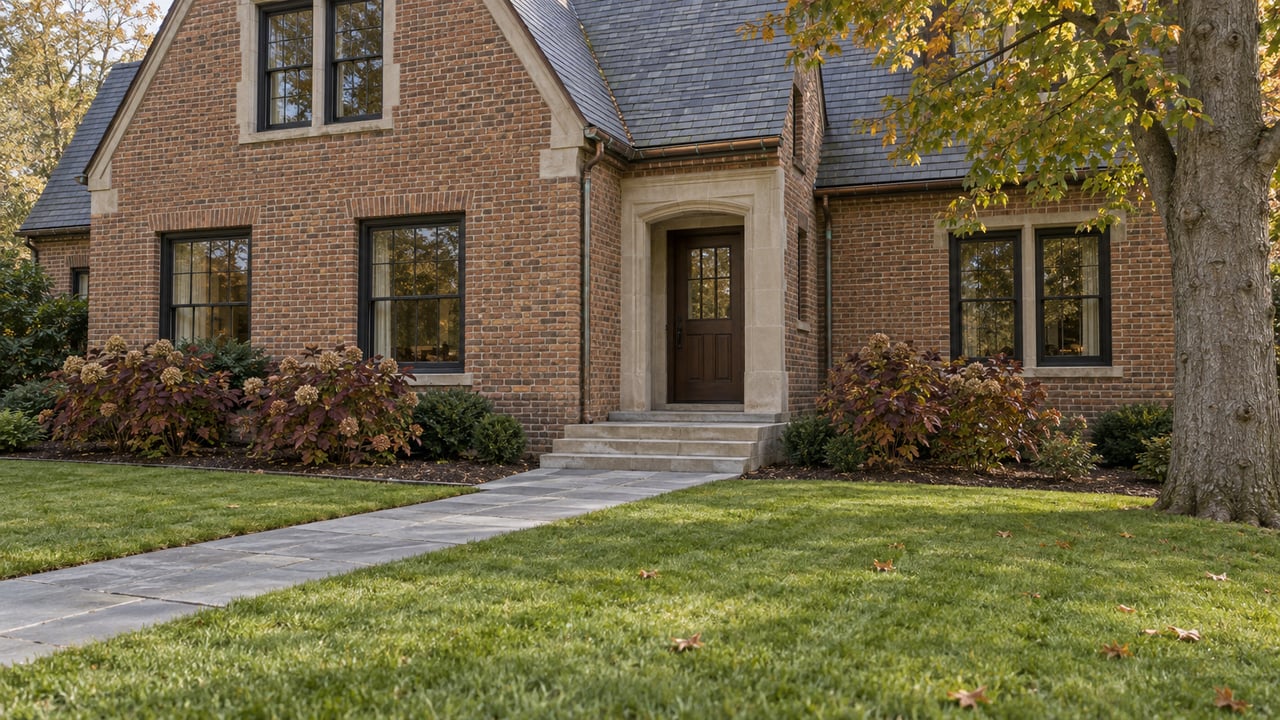
Fairfax County planning documents describe McLean as a stable, low-density residential area, with some sections near the Potomac generally limited to large-lot single-family residential use. In Fairfax County’s 2024 demographic report, McLean had 35,532 housing units, including 17,961 single-family units, 2,252 townhouses, 680 multiplex units, and 14,623 multifamily units.
That mix makes McLean the strongest fit if you are looking for more privacy, more separation between homes, and a more suburban setting. If yard space and a detached-home lifestyle are high on your list, McLean stands apart from Arlington and DC.
Arlington is the middle ground
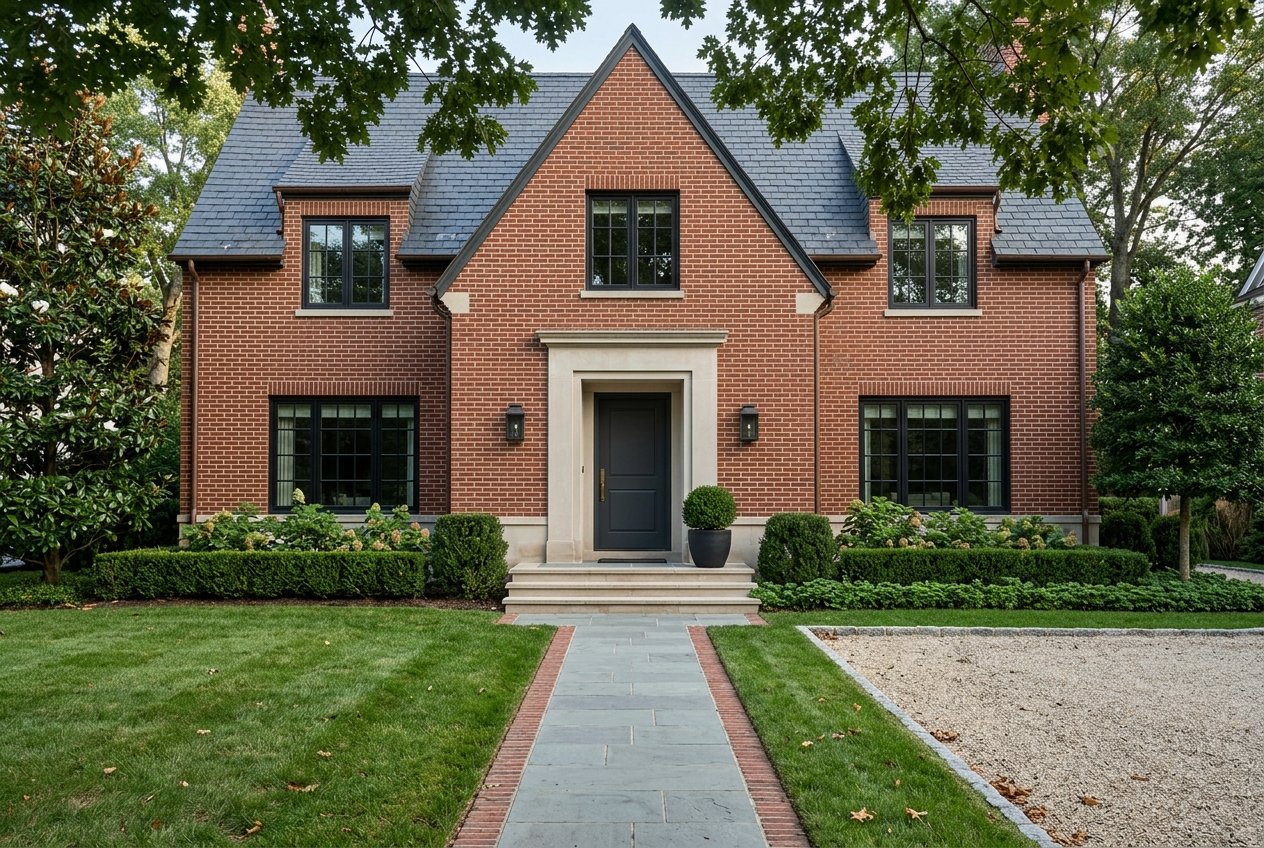
Arlington gives you a more blended housing mix and a more compact layout. County data shows that 71.3% of Arlington’s housing units are multifamily, while 22.9% are single-family detached and 5.8% are single-family attached.
That creates a middle-ground option for buyers who want proximity, convenience, and transit access, but who may still want choices beyond a dense urban core. Arlington can appeal to buyers who want a condo or townhome lifestyle with easier regional access.
DC is the most urban
DC has the most attached and multifamily housing of the three. According to the District’s housing profile, 12.2% of homes are detached, 26.1% are attached, and 34.4% are in buildings with 20 or more units.
In practical terms, that means DC is the least likely to deliver a large-lot, yard-centered home experience. It is the strongest fit if you want a more urban routine and are comfortable with denser housing patterns.
Cost Differences Are Significant
Budget matters, and this is one of the biggest dividing lines in the comparison. McLean is the clear luxury outlier in the data.
Here is a quick snapshot of current public metrics:
| Location | Median Owner-Occupied Home Value | Median Gross Rent | Owner-Occupied Rate |
|---|---|---|---|
| McLean | $1,412,700 | $3,422 | 86.1% |
| Arlington | $895,000 | $2,322 | 41.3% |
| DC | $737,100 | $1,954 | 41.5% |
McLean’s median owner-occupied home value is far above both Arlington and DC. Its median gross rent is also materially higher. If your priority is price discipline, that gap deserves close attention early in your search.
Density and Daily Rhythm
A home base is not just about the house. It is also about the pace of daily life around you. Density, household size, and mobility patterns can help you understand that rhythm.
McLean’s average household size is 2.88 people, compared with 2.08 in Arlington and 1.99 in DC. Census data also shows that 89.7% of McLean residents lived in the same house one year earlier, compared with 78.7% in Arlington and 80.2% in DC.
Those numbers suggest a more settled residential pattern in McLean. Arlington and DC, by comparison, read as more compact and more mobile. Depending on your lifestyle, that can feel energizing, efficient, or simply busy.
Commute and Transit Matter More Than Averages
Commute data is useful, but it only tells part of the story. Your actual experience will depend on where you work, how often you commute, and whether you are crossing the river regularly.
Census Bureau data shows mean travel times to work of 28.1 minutes in McLean, 26.2 minutes in Arlington, and 30.0 minutes in DC. Those averages are fairly close, so the better question is often not, “Which place has the shortest commute?” but “Which place matches my routine best?”
Arlington has the broadest middle-ground transit setup
WMATA station listings show multiple Arlington stations on the Orange, Silver, and Blue lines, including Rosslyn, Court House, Clarendon, Ballston-MU, Pentagon City, Crystal City, and East Falls Church. That broad station network is one reason Arlington often works well for buyers trying to reduce cross-river friction while keeping strong transit options.
If you want a location that balances convenience, density, and rail access, Arlington is often the clearest compromise.
McLean keeps rail access with a suburban feel
WMATA’s Silver Line includes McLean station. That matters for buyers who want a more suburban home base but still want the option of rail access.
McLean is not as transit-rich as Arlington or as station-dense as DC, but it offers something many buyers find appealing: more space without fully giving up regional connectivity.
DC delivers the most urban routine
DC has many Metro stations across multiple lines in the core. For buyers who want an urban daily pattern and broad transit access, that makes DC the strongest fit of the three.
If walking to more services, living in a denser environment, and staying in the middle of city activity matters most, DC naturally rises to the top.
McLean Has a Changing Town Center
One important nuance about McLean is that it is not static. While much of the area remains low-density and residential, Fairfax County guidance for the McLean Community Business Center envisions a more walkable, vibrant center with multifamily housing in the core and a town-square-like public realm.
That means McLean can offer a blend some buyers want but struggle to find elsewhere: a mostly suburban setting with an evolving mixed-use center. If that hybrid appeals to you, McLean deserves a closer look.
Which Home Base Fits You Best?
The right answer depends on what trade-off you are most willing to make. In this comparison, there is no universal winner. There is only the best fit for your priorities.
Choose McLean if space leads the list
McLean is the strongest match if you are looking for:
- A detached home or more privacy
- A lower-density residential setting
- A more settled household pattern
- Rail access paired with a suburban feel
- Comfort with a higher price point
Choose Arlington if you want balance
Arlington is often the best fit if you want:
- A middle-ground option between suburb and city
- Stronger Metro station coverage
- A compact lifestyle with varied housing choices
- A shorter average commute on paper
- A condo or townhome-friendly environment
Choose DC if urban living is the goal
DC is the strongest fit if you want:
- The most urban daily routine
- The highest density and widest city transit access
- More attached and multifamily housing options
- A home base centered on city living rather than lot size
A Smart Way to Make the Decision
If you are moving within the DMV or relocating into the region, this is where local guidance becomes especially valuable. McLean, Arlington, and DC are close together on a map, but they function very differently in practice.
The most effective approach is to rank your priorities before you tour. Focus on the factors that will shape your life most: home type, privacy, budget, commute pattern, and how urban or suburban you want your routine to feel.
Once those priorities are clear, the comparison gets much easier. A buyer focused on yard space and privacy will usually see McLean very differently than a buyer focused on transit access and city energy. The right home base is the one that supports the way you actually want to live.
If you are weighing a move across DC, Arlington, or McLean, working with an advisor who understands the full DMV landscape can save time and reduce costly second-guessing. Lindsay Guión and The DC Team bring the cross-jurisdiction perspective, strategic guidance, and calm execution that help buyers choose with confidence.
FAQs
Is McLean more suburban than Arlington and DC?
- Yes. Public data and Fairfax County planning documents point to McLean as the most suburban and low-density of the three, with a stronger emphasis on single-family housing.
Is Arlington a good compromise between McLean and DC?
- Yes. Arlington sits between the two in density, housing form, and transit access, which makes it a common middle-ground choice for buyers.
Is McLean more expensive than Arlington and DC?
- Yes. Census data shows McLean has the highest median owner-occupied home value at $1,412,700 and the highest median gross rent at $3,422.
Does McLean have Metro access for Northern Virginia buyers?
- Yes. WMATA’s Silver Line includes McLean station, which gives buyers a rail option while living in a more suburban setting.
Is DC the best fit for buyers who want an urban lifestyle?
- Yes. DC has the highest density of the three and the greatest share of attached and multifamily housing, which supports a more urban living pattern.
How should you choose between McLean, Arlington, and DC?
- Start by ranking your priorities around space, housing type, budget, commute, and daily lifestyle. Those trade-offs usually make the best-fit location much clearer.