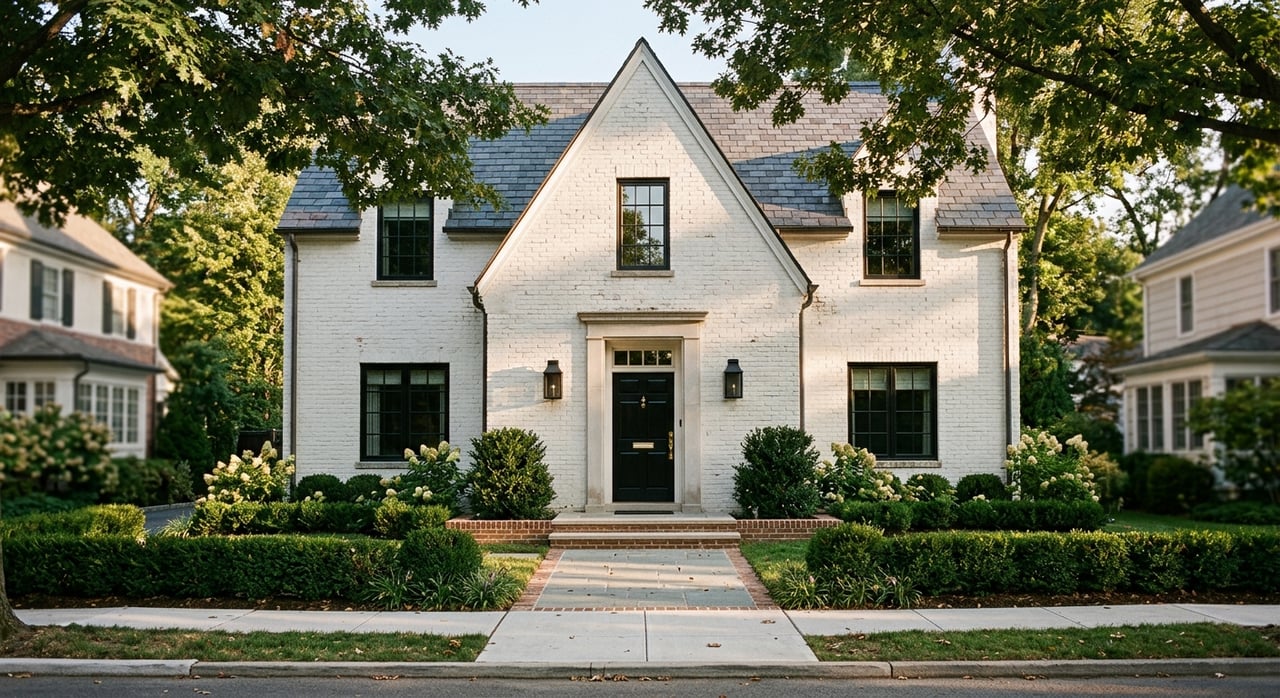
If you are considering a move close to Washington, DC, Arlington often comes up for good reason. It offers a rare mix of urban convenience, walkable neighborhood hubs, strong transit access, and everyday amenities packed into a compact county. If you want to understand what day-to-day life really feels like here, this guide will help you weigh the lifestyle, housing, costs, and neighborhood patterns that shape Arlington living. Let’s dive in.
Arlington at a glance
Arlington is a compact urban county directly across the Potomac River from Washington, DC. According to the county’s 2026 profile report, it covers about 26 square miles and has an estimated population of 244,300.
What stands out is how much activity fits into that footprint. The same report notes a daytime population of 314,900, which helps explain why Arlington can feel busy, connected, and energetic during the workweek.
Arlington also tends to feel more node-based than centered around one downtown. Most residents live along planning corridors, so daily life often revolves around places like Rosslyn, Clarendon, Ballston, Crystal City, Pentagon City, Shirlington, Columbia Pike, or Langston Boulevard rather than one countywide center.
What daily life feels like
Living in Arlington usually means trading extra space for convenience. You are close to restaurants, parks, trails, Metro stations, and major job centers, often with shorter trips and more flexibility in how you get around.
The county profile also shows a lifestyle shaped by smaller households. About 42.5% of households are one-person households, 56.9% are non-family households, and 80.2% are households without children. In practical terms, Arlington often appeals to people who want a compact, efficient lifestyle near work, dining, and transit.
That said, Arlington is not one-note. Some areas feel distinctly urban and fast-paced, while others feel quieter, more residential, and more neighborhood-oriented.
Arlington neighborhoods have different rhythms
One of Arlington’s biggest strengths is variety. Based on StayArlington’s neighborhood guide, each area has a different pace and personality, which matters when you are deciding where you might feel most at home.
Rosslyn to Ballston feels most urban
Rosslyn, Court House, Clarendon, Virginia Square, and Ballston form one of Arlington’s clearest urban corridors. These areas are tied closely to the Orange and Silver Metro lines and tend to offer the strongest mix of apartments, condos, offices, restaurants, and walkability.
Rosslyn is known for its high-rise setting and riverfront views. Clarendon is often associated with dining and coffee shops, while Ballston blends a vibrant commercial core with residential streets and nearby parks.
National Landing is connected and fast-moving
Crystal City and Pentagon City sit along the Blue and Yellow Metro lines and are among Arlington’s most transit-oriented areas. Crystal City is described as a larger-scale mixed-use center anchored by Amazon HQ2, while Pentagon City offers another dense, connected hub with quick access to DC and the airport.
If you want to be close to major employers, Metro, and regional transportation, this part of Arlington often stands out.
Shirlington, Westover, and Langston feel calmer
Not every part of Arlington feels high-rise or high-speed. Shirlington is known for tree-lined sidewalks, cafes, and arts and entertainment. Westover is described as having a small-town feel and is noted for being livable, walkable, and bikeable.
Langston Boulevard is more neighborhood-oriented, with parks, historic sites, and restaurants. These areas can appeal to buyers and renters who want Arlington access with a slightly slower day-to-day feel.
Columbia Pike is a dining destination
Columbia Pike offers a different kind of energy. According to StayArlington, this 3.5-mile corridor represents 150 nationalities and has the county’s largest selection of ethnic restaurants.
If your ideal lifestyle includes trying independent restaurants and exploring a more varied dining scene, Columbia Pike is one of Arlington’s most distinctive areas.
Getting around Arlington
For many buyers and renters, Arlington’s biggest advantage is mobility. The county has 11 Metrorail stations, and in 2025 it reported 123,500 average weekday entries and exits.
This transit network shapes daily life in a real way. The Orange and Silver lines serve Rosslyn, Court House, Clarendon, Virginia Square-GMU, Ballston-MU, and East Falls Church, while the Blue and Yellow lines serve Pentagon, Pentagon City, Crystal City, and Ronald Reagan Washington National Airport.
Arlington Transit also ran 14 bus routes and carried 2.6 million passenger trips in 2025. If you live near one of the main corridors, you can often rely on a mix of Metro, bus, walking, biking, and rideshare instead of driving for every errand.
Do you need a car in Arlington?
Not always. The county’s 2020-2024 ACS data shows that 15.2% of residents live in households with no vehicle, 14% use public transportation to commute, and 4% walk. Another 35% work from home.
That supports what many locals already know: in places like Rosslyn, Court House, Clarendon, Ballston, Crystal City, and Pentagon City, car-light living is realistic. Outside the more Metro-centric parts of the county, a car can still make life easier.
Parks and outdoor access are a major plus
Arlington may be urban in form, but it puts a lot of weight on public green space. The county owns or maintains 167 parks totaling 956 acres, and 99% of residents live within a 10-minute walk of a park, according to the county profile.
That matters for everyday quality of life. Even if you live in a condo or apartment, you are usually not far from somewhere to walk, exercise, meet friends, or spend time outdoors.
This park access also helps explain why Arlington can feel active and balanced. It combines dense housing and busy commercial corridors with easy access to open space, which is not always common in close-in urban markets.
Arlington can work well for many household types
Arlington is often associated with professionals, relocators, and people who want quick access to DC. That is certainly part of the picture, but it is not the whole story.
The county profile notes that Arlington Public Schools serves more than 27,500 students from 149 countries. Combined with broad park access and neighborhood variety, that helps explain why many people experience Arlington as a place that supports a wide range of lifestyles.
The key is fit. If you value proximity, walkability, and a compact layout, Arlington can be a strong match. If your top priorities are a large yard, a lower price point, or more spread-out suburban living, it may feel less aligned.
Housing in Arlington is mostly condos and apartments
Arlington’s housing mix is one of the clearest indicators of what living here is like. The county profile counts 127,090 housing units, with 72.7% in multifamily buildings. That includes 51.9% apartments and 20.7% condos.
By comparison, single-family detached homes account for 21.7% of housing units, and townhouses make up 3.5%. Since 2020, 99% of net housing growth has come from multifamily apartments and condos.
For you as a buyer or renter, that usually means more inventory in condos and apartments than in detached homes, especially near Metro corridors. It also means that if you are set on a larger detached property, your options may be more limited and more competitive.
Arlington is an expensive market
Arlington offers access and convenience, but those benefits come at a price. Census QuickFacts reports a median gross rent of $2,322 and a median owner-occupied housing value of $895,000.
The county profile adds more rental context, estimating average apartment rents at $2,546 overall, including $1,974 for efficiencies, $2,282 for one-bedrooms, $2,956 for two-bedrooms, and $3,741 for three-bedrooms. These sources use different methods and years, but together they point in the same direction: Arlington is a high-cost housing market.
For many people, the tradeoff is worth it because of location, transit, and lifestyle. Still, it is important to enter the search with a realistic budget and a clear sense of what type of home best matches your priorities.
Who Arlington fits best
Arlington is often a strong fit if you want to stay close to downtown DC without living in the city core. It can also make sense if you value Metro access, walkable restaurants, compact neighborhoods, and a more connected daily routine.
You may find Arlington especially appealing if you are:
- Relocating to the DC area and want an easier transition
- Looking for a condo or apartment near transit
- Prioritizing walkability and convenience over square footage
- Interested in neighborhood choice within a compact area
- Trying to balance urban access with parks and public amenities
Arlington may be a weaker fit if you are focused primarily on lower housing costs, a large detached home, or more yard space.
Final thoughts on living in Arlington VA
So, what is it like to live in Arlington, VA? In most cases, it feels connected, efficient, and highly location-driven. You get urban conveniences, strong transit, wide park access, and a range of neighborhood experiences, all within a relatively small footprint.
The tradeoff is cost and, often, space. But if your priorities center on access, walkability, and a close-in lifestyle near Washington, Arlington remains one of the most compelling options in the region.
If you are weighing Arlington against DC, Maryland, or other Northern Virginia neighborhoods, working with an advisor who understands the full DMV landscape can make the decision much clearer. For strategic guidance on where Arlington fits into your move, connect with Lindsay Guión to schedule a consultation.
FAQs
What is daily life like in Arlington VA?
- Daily life in Arlington often feels convenient and fast-moving, with many residents living near transit, restaurants, parks, and neighborhood commercial corridors.
Do you need a car to live in Arlington VA?
- You may not need a car in Metro-centered areas like Rosslyn, Court House, Clarendon, Ballston, Crystal City, or Pentagon City, but a car can still be helpful in less transit-focused parts of the county.
Is Arlington VA more urban or suburban?
- Arlington is generally more urban in its main corridors, but it also includes calmer, more residential pockets such as Westover, Shirlington, and parts of Langston Boulevard.
Is Arlington VA expensive to live in?
- Yes. Census and county data both indicate that Arlington has high home values and rents compared with many other nearby markets.
What types of homes are most common in Arlington VA?
- Multifamily housing is most common in Arlington, including apartments and condos, while detached homes make up a smaller share of the housing stock.
Is Arlington VA a good fit for relocation?
- Arlington is often a strong option for relocation if you want quick access to Washington, DC, strong transit, walkability, and a range of neighborhood choices in one compact county.