Waterfront living in Georgetown is not just about the view. It is about how the river shapes your daily routine, your weekend plans, and even the way you move through the neighborhood. If you are considering Georgetown or simply want a clearer picture of what life near the Potomac really feels like, this guide will walk you through the lifestyle, tradeoffs, and housing character that define this part of DC. Let’s dive in.
What waterfront living feels like in Georgetown
In Georgetown, the waterfront is woven into everyday life rather than set apart from it. Georgetown Waterfront Park stretches from 31st Street NW to Key Bridge, with wide paths, seating, bike amenities, and direct water access. Because the riverfront sits less than a five-minute walk south of M Street, it feels closely connected to the neighborhood’s main shopping and dining corridor.
That layout changes how you use the neighborhood. You can start the day with coffee on a side street, walk the river, and still be back near shops and restaurants within minutes. For many residents, the waterfront is not a special-occasion destination. It is part of the normal rhythm of living in Georgetown.
Outdoor routines shape daily life
One of the biggest draws of Georgetown’s waterfront is how easy it is to build outdoor time into your day. The park’s car-free route supports walking, cycling, skating, and casual time by the river. Seating areas, the fountain, and the labyrinth make it useful for both active mornings and slower afternoons.
The C&O Canal adds another layer to that routine. The first mile of the canal runs through Georgetown, and the towpath is a popular route for running and cycling. It gives the neighborhood an urban-outdoors balance that can be hard to find in a city setting.
Nearby streets like Grace Street and Thomas Jefferson Street support that same pattern. You move easily between the canal, the park, and the commercial core, with bakeries, coffee shops, and historic details along the way. The result is a neighborhood where outdoor time feels natural, not forced.
Waterfront life changes with the seasons
Georgetown’s riverfront stays active throughout the year. Washington Harbour brings together waterfront dining, river cruises, water taxis, and a winter ice rink, which gives the area a distinctly seasonal energy. You are not limited to one type of experience.
The park also hosts events such as Sunset Fitness and Sunset Cinema. Kayak and paddleboard access adds more options in warmer months, while simple river views keep the area active even on quieter days. If you enjoy a neighborhood that feels lively without needing a car, this is a meaningful part of the appeal.
Getting around Georgetown from the waterfront
Georgetown works especially well for people who like to walk or bike for daily errands and recreation. Major trails converge here, including the C&O Canal Towpath, Capital Crescent Trail, and Rock Creek Park Trail. That makes the waterfront more than scenic. It is also a functional part of getting around.
The neighborhood also has nearly 50 public bike racks, eight Capital Bikeshare stations, and a bike repair station. For transit, several Metrobus routes serve Georgetown, and the Foggy Bottom-GWU Metro station is about a 15-minute walk away. Rosslyn is also a short walk across Key Bridge, which adds another layer of regional access.
The main tradeoff is parking
The convenience of Georgetown’s compact layout comes with a practical downside. Parking can be tighter than many buyers expect, especially if you are used to easy curb access in less dense neighborhoods. Residential street parking is generally limited to two hours for vehicles without a Zone 2 Residential Parking Permit, and some retail blocks restrict parking during weekday rush periods.
That does not mean parking is impossible. Georgetown has 20 lots and garages with more than 3,800 spaces. Still, if your daily routine depends heavily on keeping a car close at hand, this is one of the most important lifestyle considerations to weigh.
Shopping, dining, and culture are part of the appeal
Waterfront living in Georgetown also means staying close to one of DC’s most established retail and dining districts. The neighborhood has more than 470 shops, restaurants, and institutions. M Street and Wisconsin Avenue remain the core commercial corridors, giving you a wide range of day-to-day options within a compact area.
That variety is substantial. Georgetown includes more than 150 clothing and fashion stores, over 100 restaurants representing more than 50 ethnicities, and a Design District with more than 40 interior design and home furnishings stores and galleries. Book Hill adds independent boutiques, antiques, art, and home décor along upper Wisconsin Avenue.
For buyers who want convenience without giving up character, this mix matters. You are not choosing between residential calm and neighborhood activity. In Georgetown, both exist within a short walk.
Cultural life goes beyond retail
The neighborhood’s identity is also shaped by its cultural and historic assets. Blues Alley, Dumbarton House, Tudor Place, Dumbarton Oaks, and the Old Stone House all contribute to the area’s texture. The African American Heritage Trail adds another important dimension to understanding Georgetown’s story.
The canal corridor remains part of that cultural landscape as well. Georgetown Heritage continues to interpret the area, although canal boat tours are currently on hiatus during restoration work. For residents, these places add depth to daily life and reinforce why Georgetown feels layered rather than one-note.
Georgetown homes have a distinct character
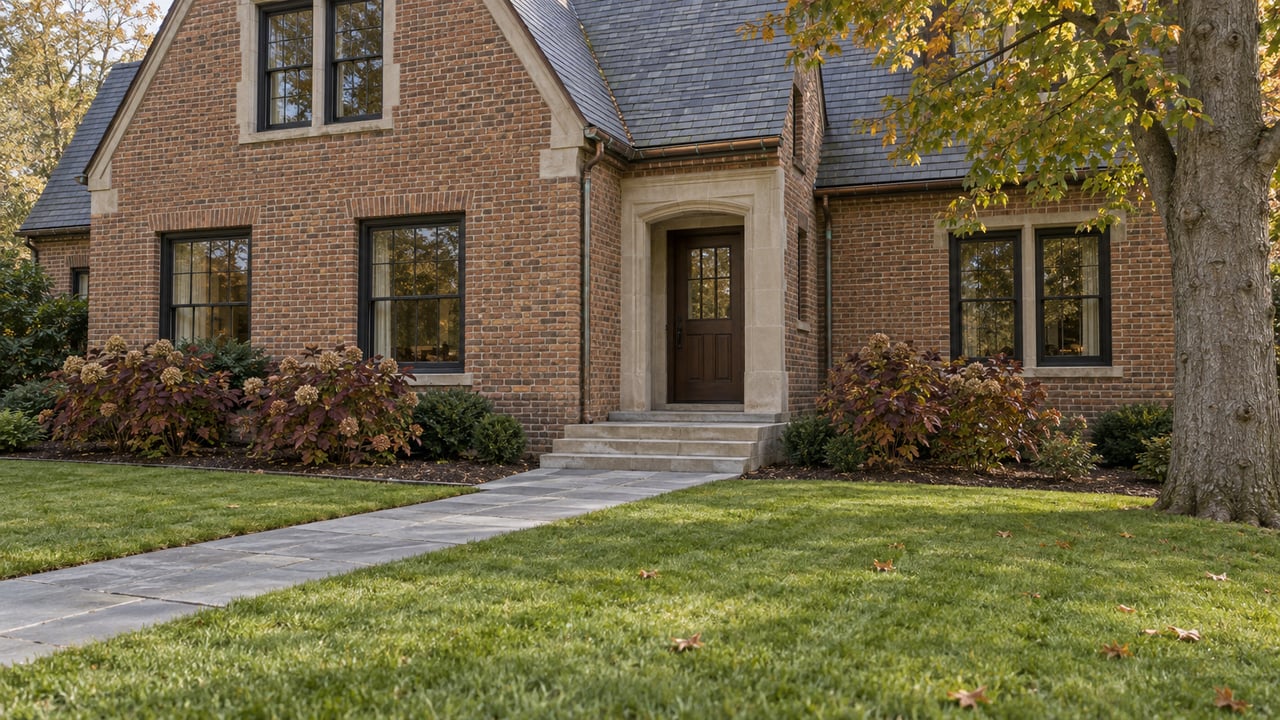
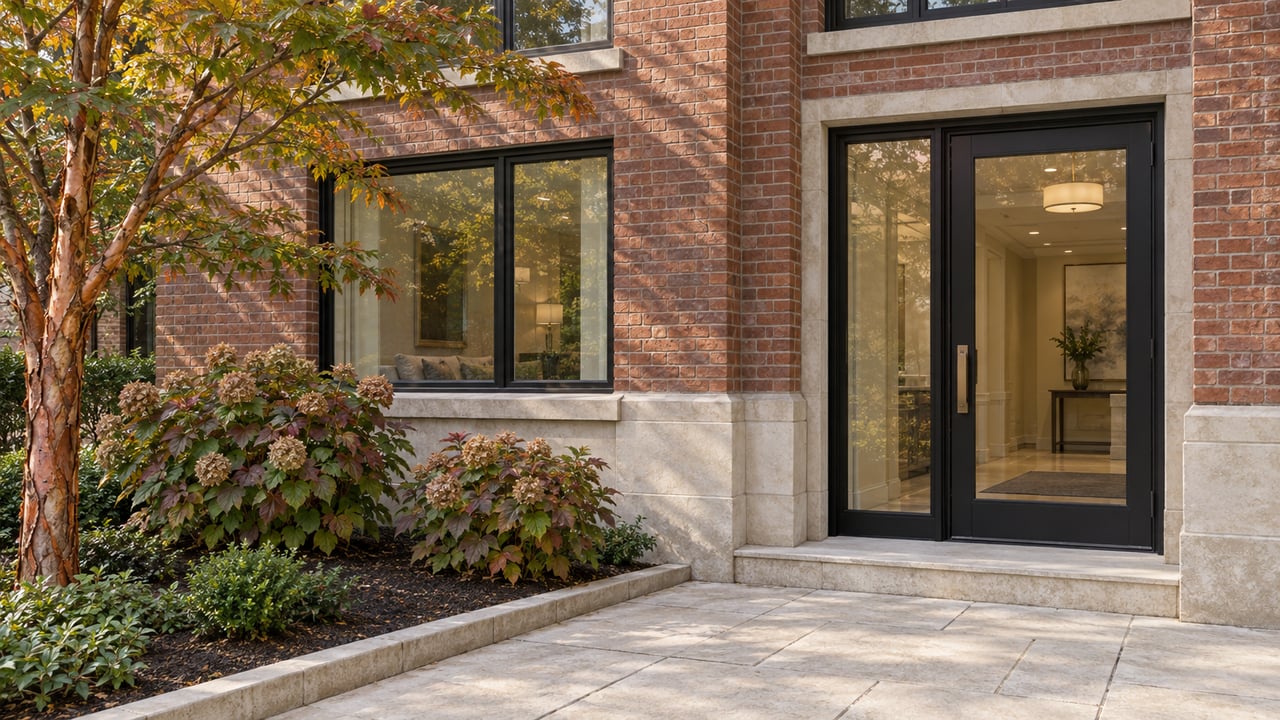
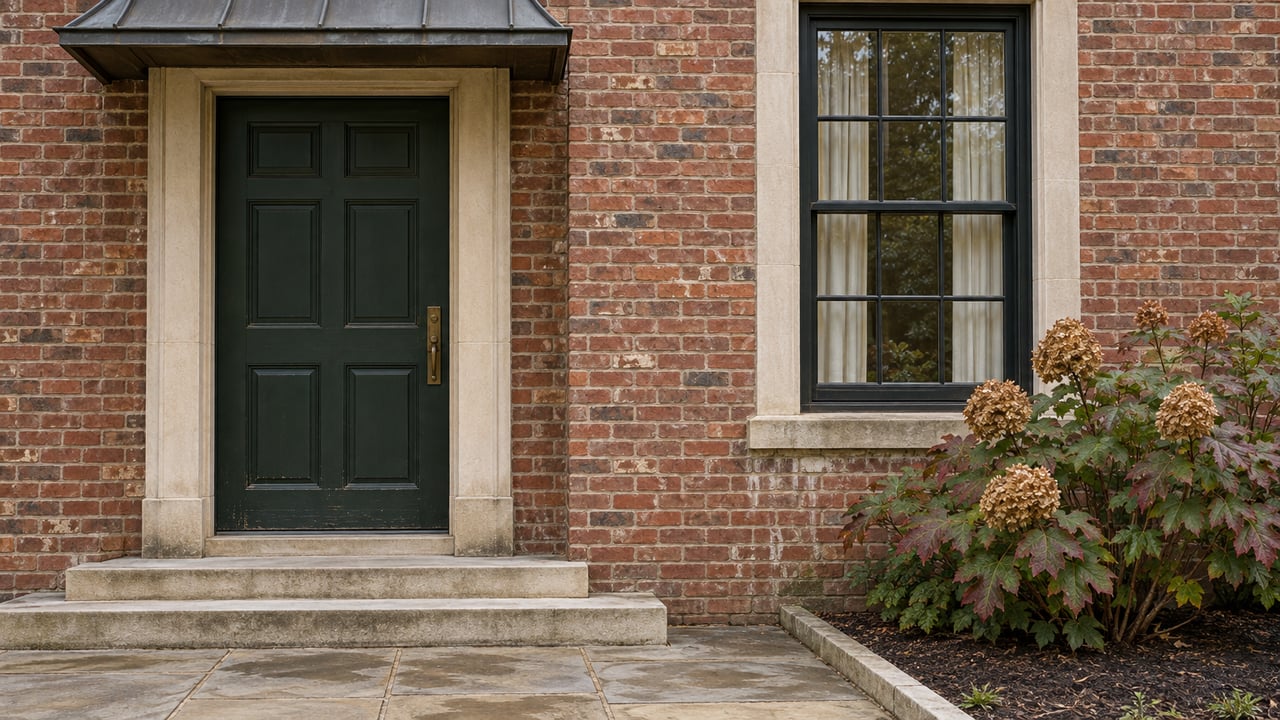
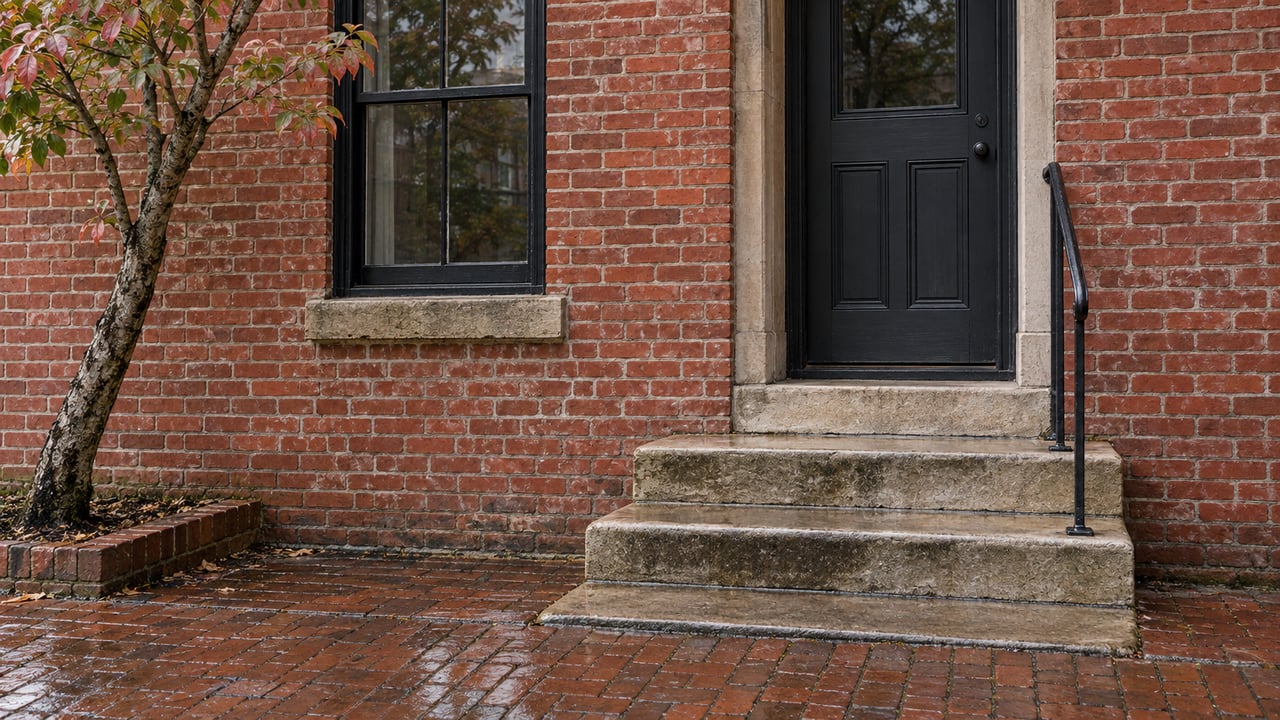
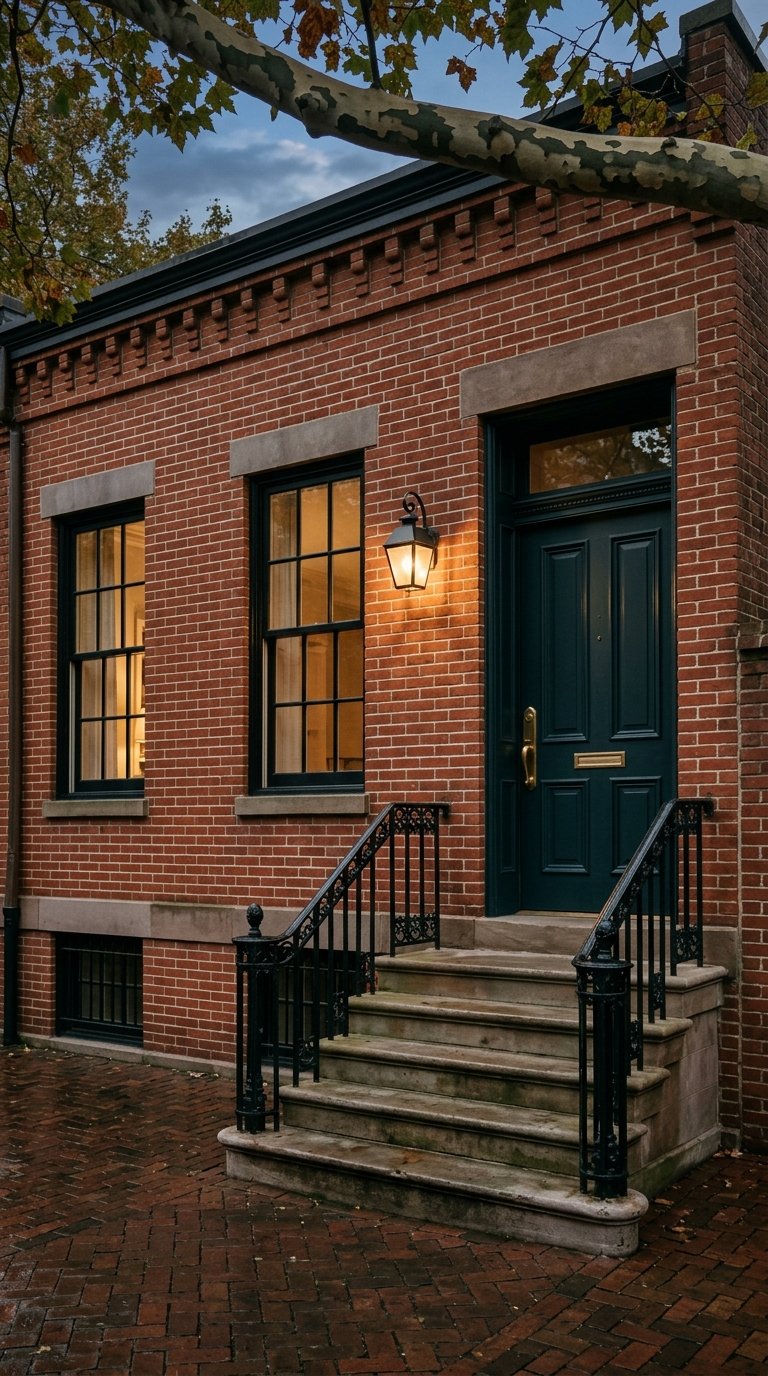
If you are considering buying near the waterfront, it helps to understand the broader housing character of Georgetown. North of M Street, the residential core is tree-lined and includes modest row houses, larger estates, flats, and apartment houses. Row houses and townhouses are the signature forms, but the neighborhood offers more architectural variety than many buyers first assume.
That variety is part of Georgetown’s appeal. You will see detached brick estates, narrow residential and commercial townhouses, wood-clad houses, late Victorian rows, and some early apartment buildings. Many buildings are only two or three stories, which contributes to the neighborhood’s compact and human-scale feel.
Historic preservation affects ownership
Georgetown’s preserved look is one of its strongest lifestyle and value drivers, but it comes with responsibilities. The Georgetown Historic District was created in 1950 and has local and national historic designations. Exterior work visible from streets or alleys is reviewed through Georgetown’s preservation process.
For homeowners, that can affect timelines and planning. Additions, façade changes, and some other exterior updates may require review by the Old Georgetown Board, the Commission of Fine Arts, or other preservation bodies depending on the work. If you love Georgetown’s architectural continuity, this process is part of what protects it, but it is wise to understand the extra coordination involved before you buy.
Who tends to enjoy Georgetown waterfront living most
Georgetown’s waterfront lifestyle often appeals to buyers who want a walkable, amenity-rich neighborhood with a strong sense of place. If you enjoy being able to step outside for a river walk, reach restaurants and shops on foot, and live near historic streetscapes, Georgetown offers a compelling mix. It can also work well for people relocating within the DC region who want a neighborhood that feels both established and active.
At the same time, the fit depends on your priorities. If easy parking, newer housing stock, or minimal renovation oversight rank high on your list, Georgetown may feel less convenient than other parts of the city. The best decision usually comes from weighing the charm and access against the practical realities of daily ownership.
What buyers should keep in mind
If you are exploring Georgetown homes near the waterfront, focus on lifestyle as much as square footage. The right fit often comes down to how you want your day to look and what tradeoffs you are comfortable making.
A few questions can help guide your search:
- Do you want to walk to dining, shopping, and outdoor recreation?
- How important is nearby parking for your household?
- Are you open to the review process for visible exterior changes?
- Do you prefer historic character over newer construction features?
- Would access to trails, riverfront paths, and nearby bus connections improve your daily routine?
For many buyers, Georgetown offers a rare combination of historic architecture, urban convenience, and waterfront access. The goal is to make sure the experience on paper matches the way you want to live.
If you are weighing Georgetown against other DC neighborhoods, a clear, block-by-block understanding can make all the difference. The right guidance helps you compare lifestyle, housing stock, and long-term practicality with confidence. When you are ready to talk through your options, Lindsay Guión can help you navigate Georgetown and the broader DC market with a thoughtful, strategic approach.
FAQs
Is Georgetown waterfront living in DC good for car-free daily life?
- Yes, for many people it is. Georgetown’s compact layout, walkable commercial core, bike infrastructure, trails, and bus service make daily errands, dining, and recreation possible without relying heavily on a car.
What types of homes are common near Georgetown in Washington, DC?
- Georgetown is best known for row houses and townhouses, but the housing mix also includes detached estates, flats, apartment houses, and converted residences that fit the historic streetscape.
Do historic district rules affect Georgetown home renovations?
- Yes. In Georgetown, exterior work visible from streets or alleys is reviewed through the local preservation process, which can add time and coordination to renovation planning.
What is the biggest lifestyle tradeoff of living in Georgetown near the waterfront?
- The main tradeoff is usually parking. Georgetown offers a highly walkable, amenity-rich lifestyle, but curb parking can be limited and more involved than in many newer neighborhoods.
How close is Georgetown Waterfront Park to the main shopping area?
- The waterfront is less than a five-minute walk south of M Street, so it feels closely connected to Georgetown’s main shopping and dining areas rather than separate from them.